

Hear from Our Customers
You’re not looking for a sales pitch. You want to know if there’s mold, where it is, and whether it’s a problem worth fixing.
That’s what residential mold testing does. It identifies the type of mold, measures concentration levels, and pinpoints moisture sources you might not see. Whether you’re buying a home, dealing with a musty smell, or just want peace of mind after a leak, testing gives you documentation and clarity.
Bursonville’s humid summers and damp winters create ideal conditions for mold growth, especially in older basements and crawl spaces. A black mold test or air quality assessment doesn’t just confirm suspicions—it helps you make informed decisions about remediation, real estate deals, or insurance claims. No drama. Just data.
We’ve been testing air quality and inspecting for mold across Bucks County for over 20 years. We’re not a national franchise showing up with a script. We’re local, and we understand how Pennsylvania’s rising precipitation and older housing stock create ongoing mold challenges.
We use visual inspections, air sampling, and surface testing to detect mold—even in places you can’t reach. After testing, you get a detailed report with findings and recommendations. No pressure, no upselling remediation you don’t need.
Our goal is straightforward: help Bursonville residents make safer, healthier decisions about their indoor spaces. If you’ve got questions, we’ll get back to you within 24 to 48 hours.
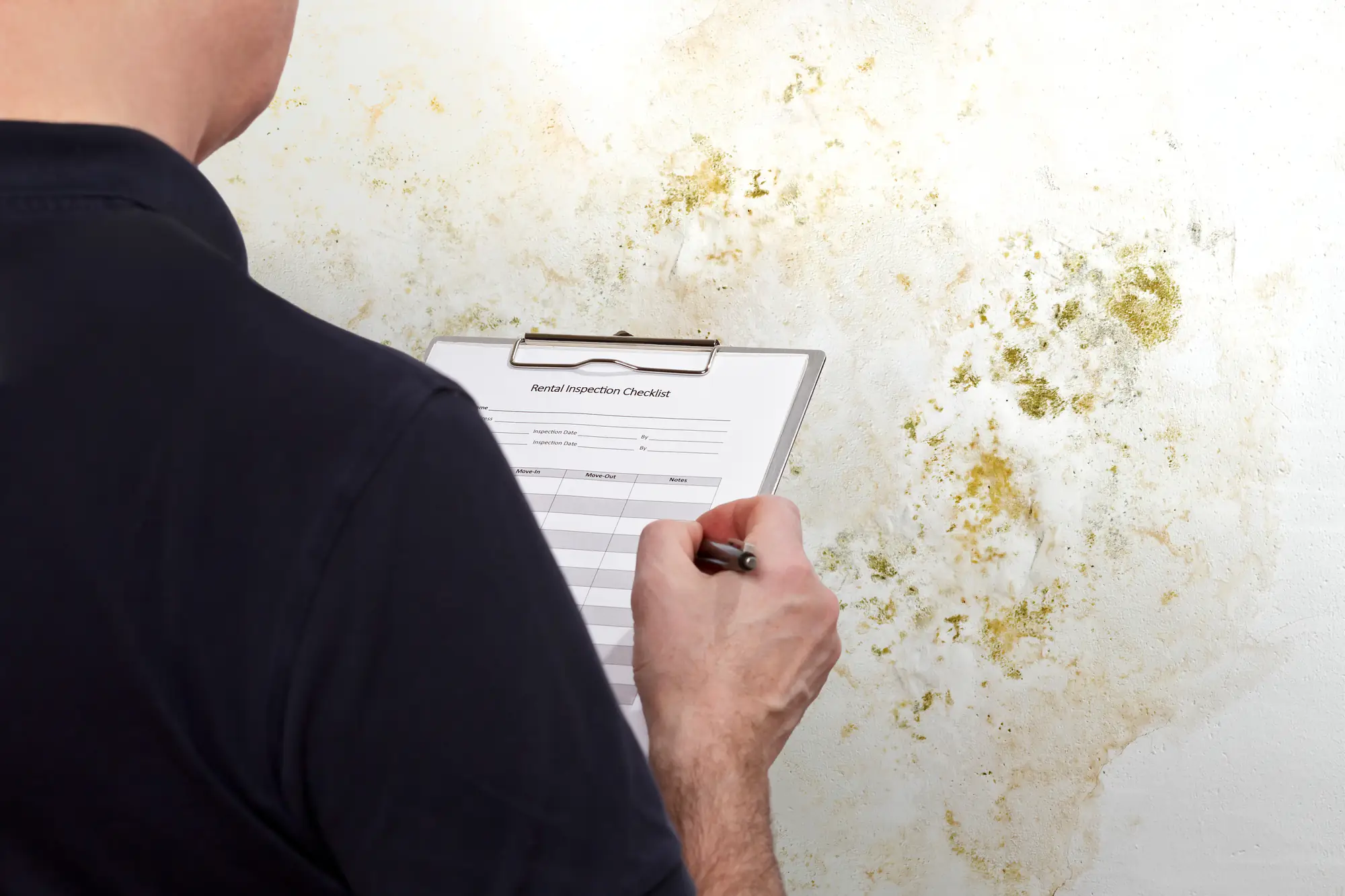
First, we walk through your property and look for visible signs of mold, water damage, or moisture issues. That includes checking basements, attics, bathrooms, and anywhere else that stays damp or poorly ventilated.
Next, we collect air samples and surface samples from areas of concern. These samples go to an independent third-party lab for analysis. That separation matters—it keeps results unbiased and ensures you’re getting accurate information, not a sales angle.
Once the lab processes everything, we send you a detailed report. It breaks down what was found, where it was found, and what concentration levels mean for your health and property. We also explain the moisture sources feeding the problem and what remediation might look like if it’s needed. You’re not left guessing what to do next.
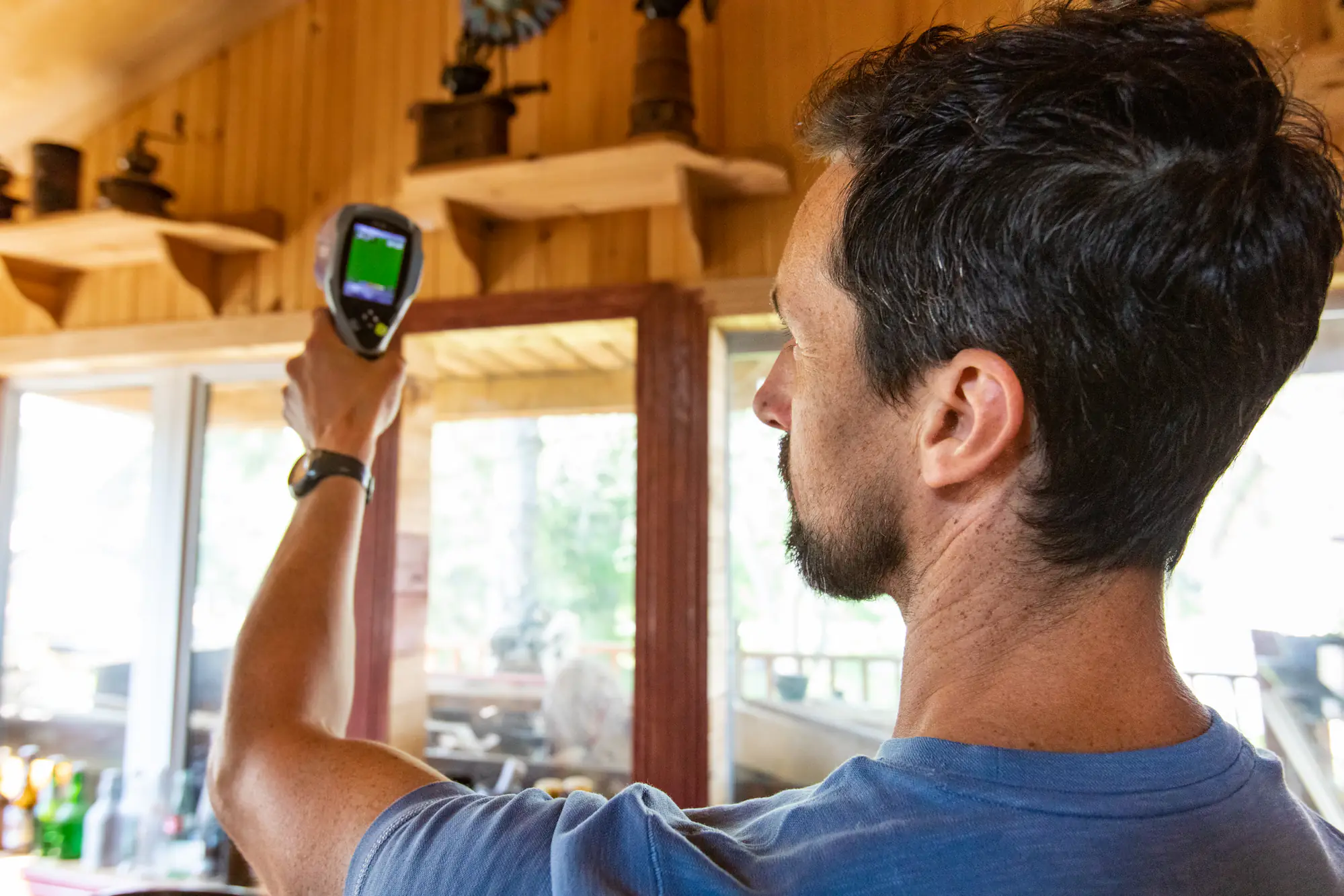
Ready to get started?
A mold testing company should give you more than a yes-or-no answer. Our assessments include a full visual inspection, air quality testing, surface sampling where needed, and moisture mapping to identify the root cause.
In Bursonville and the surrounding Bucks County area, we see mold issues tied to aging basements, poor ventilation, and Pennsylvania’s 5 to 10 percent increase in precipitation over recent years. That means more standing water, more humidity, and more opportunities for mold to take hold. Knowing that context helps us test smarter and give you recommendations that actually fit your situation.
After testing, you’ll receive lab results, a breakdown of mold types and concentrations, and a clear explanation of next steps. If remediation is necessary, we’ll outline what that looks like. If it’s not, we’ll tell you that too. And because there are no federal or state regulations on mold testing in Pennsylvania, working with a company that uses third-party labs and follows EPA guidelines matters more than most people realize.
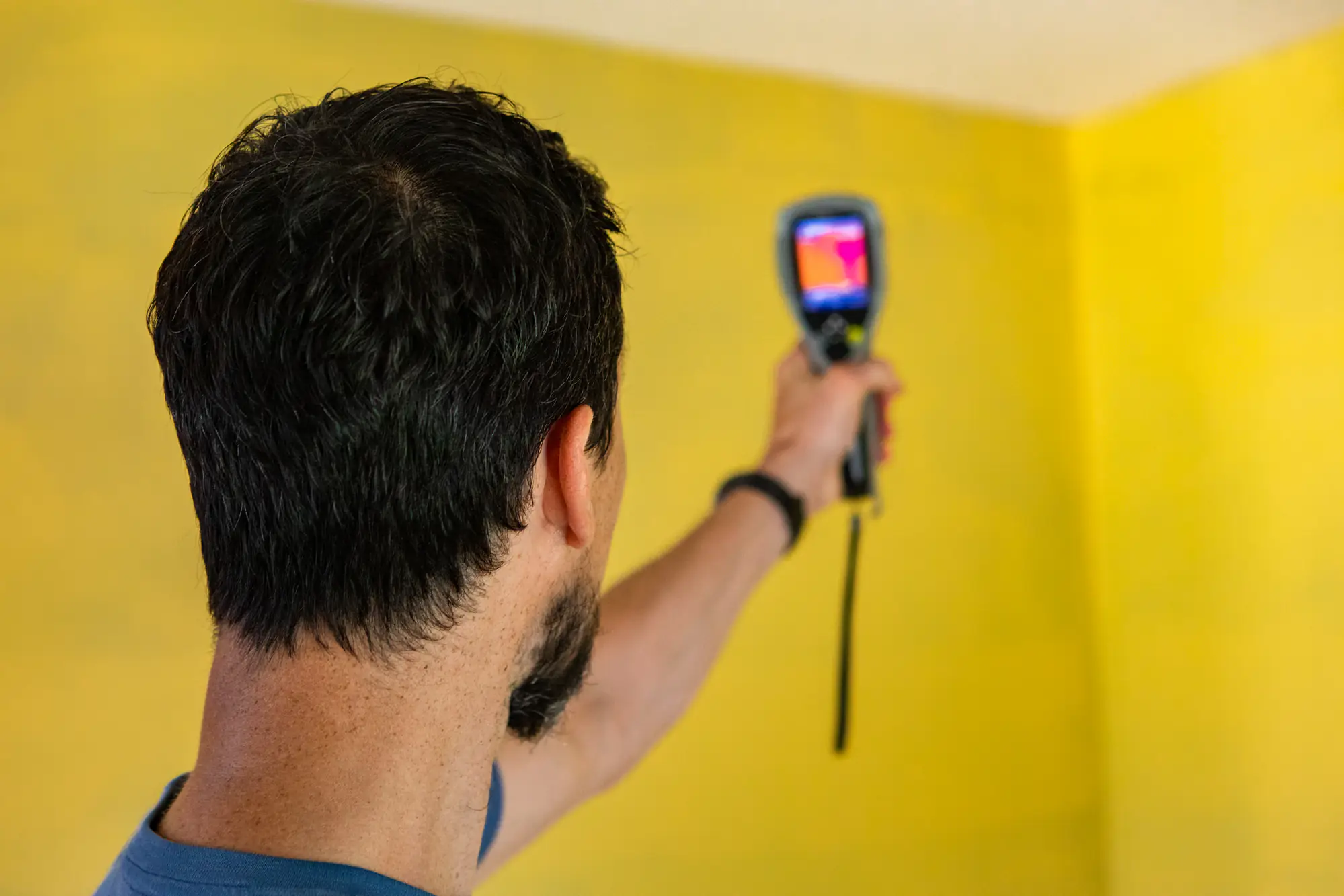
Mold testing costs vary depending on the size of your property, the number of samples needed, and whether you’re testing air quality, surfaces, or both. Most residential mold inspections in Bursonville range from a few hundred to several hundred dollars.
Air sampling tends to cost more than surface testing because it requires lab analysis to measure spore concentrations. If you’re dealing with a large home or multiple areas of concern, expect the price to reflect that scope.
The investment makes sense when you consider what’s at stake. Mold can derail real estate transactions, trigger health issues for anyone with asthma or allergies, and lead to expensive repairs if ignored. Testing gives you documentation for insurance claims, negotiation leverage in home sales, and clarity on whether remediation is even necessary. It’s not about spending money—it’s about avoiding bigger problems later.
Most mold inspections take one to three hours, depending on the size of your home and how many areas need attention. If we’re testing a small condo with one problem spot, it’s faster. If we’re inspecting a multi-level house with a basement, attic, and crawl space, it takes longer.
The inspection itself—walking through, looking for visible mold, checking moisture levels—happens on-site. Air and surface samples get collected during that visit and sent to a third-party lab for analysis. Lab results typically come back within a few days.
Once we have the findings, we compile everything into a report and walk you through what it means. The whole process from inspection to final report usually wraps up within a week. If you’re on a tight timeline for a real estate closing or insurance claim, let us know upfront and we’ll do what we can to expedite things.
You can buy DIY mold test kits at hardware stores, but they come with limitations. Most kits only tell you if mold is present—not what type, how much, or whether it’s a health risk. They also don’t identify moisture sources or give you a remediation plan.
Professional mold testing uses calibrated equipment, controlled sampling methods, and independent lab analysis. That means more accurate results and context you can actually use. If you’re buying a home, dealing with health symptoms, or need documentation for insurance, a DIY kit won’t cut it.
In Bursonville, where older homes and Bucks County’s humid climate create frequent mold issues, hiring a mold check professional also means getting someone who understands local construction, common problem areas, and how Pennsylvania’s weather patterns contribute to growth. It’s not just about finding mold—it’s about understanding why it’s there and what to do about it.
A mold inspection is a visual assessment. We walk through your property, look for signs of mold or water damage, check humidity levels, and identify areas where mold is likely growing. It’s observational and doesn’t always involve lab work.
Mold testing goes further. It includes collecting air samples, surface samples, or both, and sending them to a lab for analysis. Testing tells you what species of mold are present, how concentrated they are, and whether levels are high enough to pose health risks.
Most people benefit from both. The inspection finds the problem areas, and the testing confirms what’s growing and how serious it is. If you’re dealing with a musty smell but no visible mold, testing is especially useful because it detects airborne spores you can’t see. In Bursonville homes—especially older ones with basements—hidden mold is common, and testing is often the only way to know for sure.
Yes, but it depends on what the lab results show. Mold testing measures spore concentrations and identifies specific mold types. If levels are elevated or if toxic molds like black mold are present, remediation is usually recommended.
The report we provide breaks down what was found and what it means for your health and property. We’ll explain whether the mold is localized or widespread, whether it’s actively growing, and what kind of cleanup is appropriate. Sometimes it’s a simple fix—better ventilation or a dehumidifier. Other times, it requires professional removal.
Because there are no state regulations on mold in Pennsylvania, the decision is ultimately yours. But testing gives you the information to make that call confidently. And if you’re selling a home in Bursonville or dealing with a real estate transaction, having a third-party mold test can prevent deals from falling apart and give buyers the reassurance they need to move forward.
Mold grows where there’s moisture. If you don’t fix the water problem, mold will return no matter how many times you clean it up. That’s why our mold assessments focus on identifying moisture sources—leaks, condensation, poor drainage, humidity issues—and giving you a plan to address them.
In Bursonville, common culprits include basement seepage, roof leaks, and inadequate ventilation in bathrooms or crawl spaces. Pennsylvania’s increased precipitation makes these issues worse, so staying on top of gutters, downspouts, and grading around your foundation matters.
After remediation, keep indoor humidity below 60 percent, fix leaks promptly, and make sure areas like basements and attics have proper airflow. We’ll give you specific prevention tips based on what we find during testing. The goal isn’t just to remove mold—it’s to keep your home healthier long-term.
Other Services we provide in Bursonville